

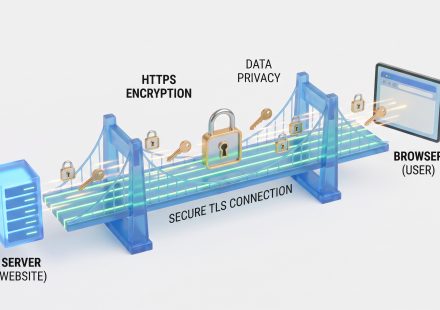
What Are TLS Certificates? How HTTPS, Certificate Authorities, and Private Keys Work

When you visit a secure website, your browser usually connects using HTTPS. This technology helps protect information exchanged between your device and the website. One of the important components behind HTTPS is a TLS certificate, sometimes still…
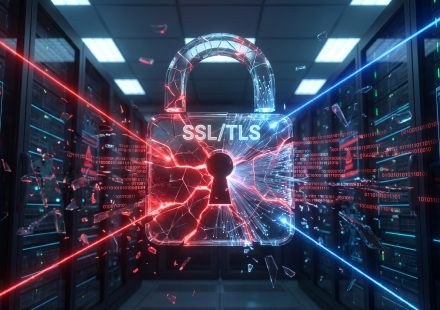
eMudhra Certificate Compromise 2026: What Happened and Are HTTPS Connections Safe?
In October 2026, a security incident involving the Indian certification authority eMudhra raised concerns about the infrastructure used to establish trust in encrypted web connections. Mozilla reported that private keys associated with eight eMudhra…
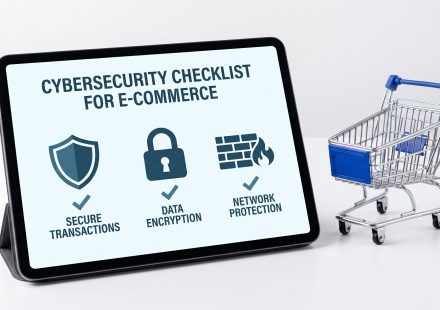
PHP Security Checklist for E-commerce Websites: Protect Your Online Store in 2026
E-commerce websites depend on secure, reliable infrastructure. A vulnerability affecting the server-side runtime can create risks that extend beyond a single webpage, potentially disrupting shopping carts, customer accounts, order processing, and…
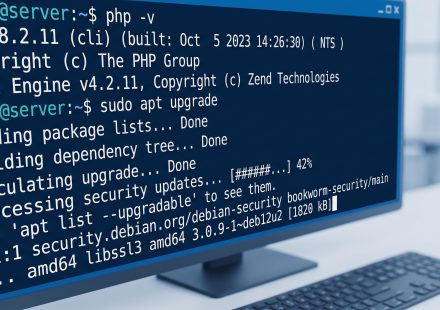
How to Check Your PHP Version and Prepare for Emergency Security Updates
Knowing which PHP version your website uses is an important part of maintaining a secure server. When critical vulnerabilities are announced, administrators need to identify affected installations quickly and determine how official security updates are…
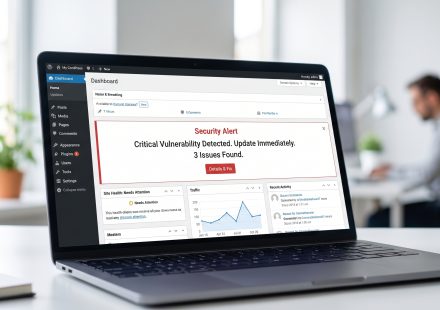
Is Your WordPress Website Affected by the October 2026 PHP Vulnerabilities?
WordPress website owners are understandably concerned about the critical PHP security warnings issued in October 2026. PHP is a fundamental part of WordPress, so vulnerabilities in the language’s runtime deserve attention even when the WordPress…
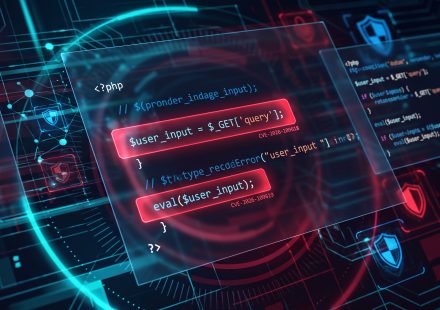
Critical PHP Vulnerabilities 2026: CVE-2026-109618 and CVE-2026-109619 Explained
Website owners, developers, hosting providers, and IT administrators are responding to an urgent security warning involving two critical vulnerabilities in PHP, one of the world’s most widely used server-side programming languages. The…