

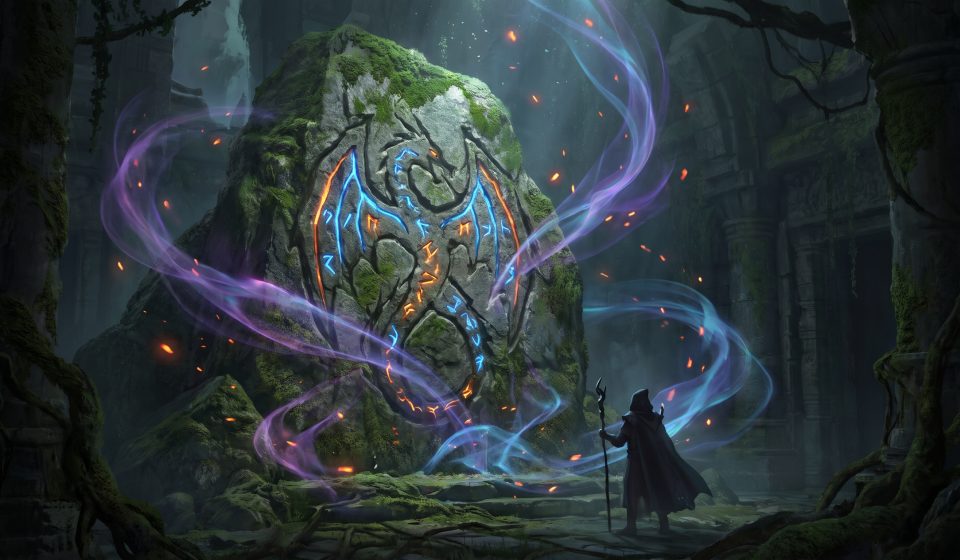

BioWare’s closure in October 2026 has left Dragon Age fans wondering what happens next to one of gaming’s best-known fantasy RPG franchises.
For years, Dragon Age offered players a world of political conflict, powerful magic, memorable companions, and decisions that shaped their adventures.
With the studio behind the series now closing, questions about future games, existing titles, and the ownership of the franchise have become especially important.
The key distinction is between what EA has confirmed and what remains possible but unannounced.
Has Dragon Age Been Canceled?
BioWare’s closure does not automatically mean the Dragon Age franchise has been permanently canceled.
EA’s October 21 announcement confirmed the studio’s closure and the end of early development on the next Mass Effect project.
It did not announce a new Dragon Age game or provide a complete roadmap for the franchise.
Therefore, the accurate position is that Dragon Age’s future is uncertain, not that EA has formally declared the intellectual property permanently abandoned.
Who Owns Dragon Age?
Dragon Age is associated with BioWare and its parent company, Electronic Arts.
The closure of a development studio is different from the sale or termination of intellectual property rights.
Publishers can retain franchises even after the teams that created them stop operating.
Any future changes in ownership or licensing would require an official announcement.
Could Another Studio Develop Dragon Age?
It is possible for a publisher to assign an established franchise to another development team.
However, continuing a story-driven RPG series involves challenges beyond selecting a new studio.
Developers need to understand the setting, characters, narrative continuity, technology, and expectations of longtime fans.
A new team might preserve familiar systems or choose a different creative direction.
EA has not confirmed a replacement Dragon Age developer following BioWare’s closure.
Why Dragon Age Matters
Dragon Age became popular because it combined fantasy storytelling with complicated political and personal decisions.
Its world includes distinct cultures, religious institutions, magical conflicts, and competing factions.
Unlike games focused entirely on combat, Dragon Age encourages players to think about alliances, character motivations, and consequences.
Dragon Age: Origins
Released in 2009, Dragon Age: Origins established the series’ fantasy setting and tactical RPG identity.
Players select different character backgrounds, recruit companions, and confront a major threat to the world.
The origin stories create different perspectives on the same setting, giving players reasons to replay the game.
Its combination of strategic combat and narrative choice remains influential.
Dragon Age II
Dragon Age II follows Hawke through years of political tension in the city of Kirkwall.
Its smaller geographic focus distinguishes it from the broader adventure structure of Origins.
The game attracted criticism for some repeated environments, but its characters and conflicts remain important to the series.
It demonstrates BioWare’s willingness to experiment with narrative structure.
Dragon Age: Inquisition
Inquisition expanded the series into larger environments and placed players in charge of an influential organization.
Its story explores leadership, political alliances, and supernatural threats.
The game also developed relationships and conflicts introduced in earlier installments.
For many players, it represents a balance between cinematic presentation and traditional BioWare storytelling.
Dragon Age: The Veilguard
The Veilguard continued the franchise with a more action-oriented presentation and a new set of companions.
As with other long-running franchises, its reception became part of discussions about the series’ direction.
However, individual opinions about the game should not be confused with an official explanation for BioWare’s closure.
Will Existing Dragon Age Games Still Work?
A studio closure does not automatically disable previously released single-player games.
Players who own supported versions may continue to access them under existing platform and licensing arrangements.
Availability can differ between PC and console storefronts.
For current information, consult official stores and EA support notices rather than assuming every title has been removed.
Could Dragon Age Be Remastered?
Fans frequently suggest remasters or remakes of older Dragon Age games.
Such projects could introduce classic titles to new audiences, but they require publisher approval, development resources, and technical planning.
No remaster should be described as confirmed unless EA announces it.
How Does Dragon Age Compare With Mass Effect?
Both franchises emphasize companions, dialogue, and player decisions.
Mass Effect explores a science-fiction galaxy, while Dragon Age focuses on fantasy politics, magic, and mythology.
They also differ in combat systems, character progression, and narrative structure.
BioWare’s closure affects discussions about both franchises, but the confirmed cancellation specifically concerns the next Mass Effect project.
Read our Mass Effect 5 update for details.
What Can Dragon Age Fans Do Now?
Fans can revisit the existing games, explore different character choices, and participate in communities discussing the franchise’s stories and history.
Players interested in tactical fantasy RPGs may particularly appreciate Origins, while those seeking larger environments may prefer Inquisition.
Keeping the distinction between official announcements and rumors is essential when discussing possible future games.
BioWare’s Influence on Fantasy RPGs
Dragon Age helped demonstrate how fantasy games could explore complex moral choices without relying entirely on simple good-versus-evil decisions.
Its companions often hold conflicting beliefs, creating situations in which players must balance competing priorities.
That approach contributed to BioWare’s reputation for character-driven storytelling.
For more of the studio’s history, see Best BioWare Games of All Time.
Final Thoughts
Dragon Age’s future remains uncertain following BioWare’s closure.
EA has not announced a new development roadmap or successor studio, but the closure alone does not establish that the franchise can never return.
Until the publisher provides more information, fans can continue exploring the existing games and celebrating the storytelling legacy that made Dragon Age distinctive.
Frequently Asked Questions
Is Dragon Age canceled forever?
No permanent franchise cancellation was established by BioWare’s closure announcement.
Will there be another Dragon Age game?
EA has not confirmed a new development roadmap following the closure.
Who owns Dragon Age?
The franchise is associated with Electronic Arts, BioWare’s parent company.
Can I still play Dragon Age: Origins?
Existing versions may remain available on supported platforms. Check current storefront listings.
Did BioWare also create Mass Effect?
Yes. Mass Effect and Dragon Age were two of BioWare’s most recognizable franchises.
Could another studio make Dragon Age?
That is possible in principle, but no successor developer has been officially announced.