

Ocarina of Time Remake vs. Original: Biggest Changes From Nintendo 64 to Switch 2
Few games have the historical reputation of The Legend of Zelda: Ocarina of Time. Originally released in 1998 for Nintendo 64, the adventure helped define the possibilities of three-dimensional action-adventure games.
Now, with the November 5, 2026 release of the Nintendo Switch 2 remake, players can experience a dramatically updated version of Link’s journey.
But how much has actually changed? Is the remake a faithful recreation, a major redesign, or something in between?
This comparison examines the biggest differences between the original and the new edition, including graphics, controls, sound, dialogue, gameplay systems, and the overall experience.
Ocarina of Time Original vs Remake: Quick Comparison
| Feature | Nintendo 64 original | Switch 2 remake |
|---|---|---|
| Release | 1998 | 2026 |
| Visuals | Late-1990s 3D graphics | Completely rebuilt presentation |
| Music | Original synthesized soundtrack | Orchestral arrangements |
| Dialogue | Primarily text-based | Expanded dialogue and voiced scenes |
| Camera | Original N64 control design | Modernized camera movement |
| Movement | Classic movement system | Additional jumping and dashing options |
| Musical input | Controller buttons | Buttons and microphone input |
| Additional activities | Original game content | Hall of Fallen Foes and fairy-related activities |
1. Graphics: From Nintendo 64 to Modern Hyrule
The most obvious difference is the visual presentation.
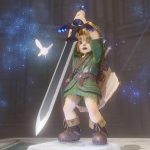
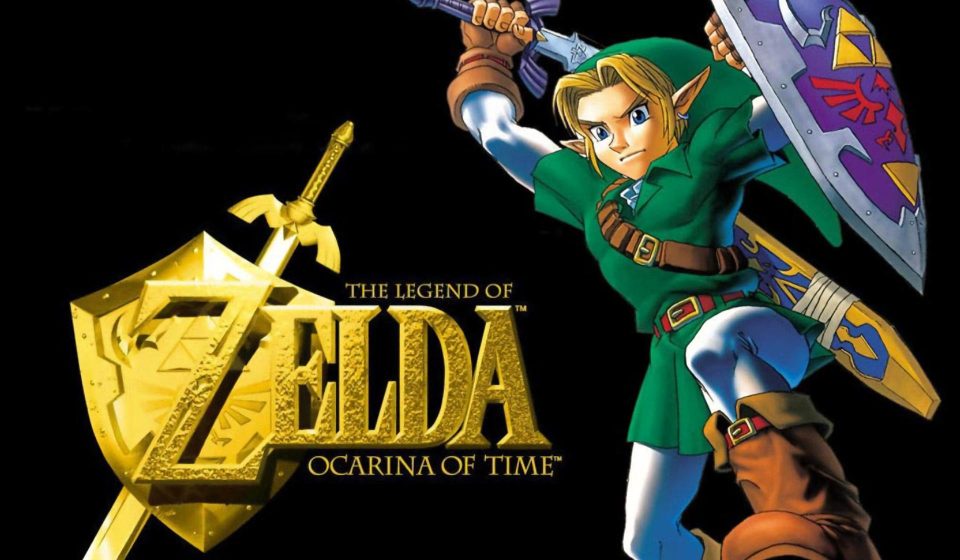
The original Nintendo 64 version used low-polygon character models, limited textures, and simplified environments. Those limitations influenced its art direction, helping create a distinctive atmosphere that remains recognizable decades later.
The Switch 2 remake rebuilds characters and environments with significantly greater detail.
Lighting, scenery, animation, and cinematic presentation have been reimagined for contemporary hardware.
However, more visual detail does not automatically mean that every player will prefer the new style.
Some fans value the original’s stylized simplicity and the way its technical limitations contributed to the mood.
The remake offers a different interpretation of the same world rather than erasing the importance of the original.
2. Character Design and Animation
Characters such as Link, Zelda, Ganondorf, and Navi are central to Ocarina of Time’s identity.
The original used comparatively simple character models, relying heavily on animation, dialogue, and music to communicate personality.
The remake provides more expressive presentation through updated character designs and cinematic sequences.
This can make emotional moments more immediately accessible to new players.
Returning fans may notice that familiar characters appear different from how they remember them.
Those reactions are natural when a highly recognizable visual style is reinterpreted for new hardware.
3. Story: Has Nintendo Changed the Adventure?
The core story remains recognizable.
Link becomes the Hero of Time and attempts to protect Hyrule from Ganondorf’s ambitions.
The adventure includes the relationship between childhood and adulthood, the Triforce, the Master Sword, and the kingdom’s major locations.
The remake expands the presentation through additional dialogue and voiced cutscenes, but Nintendo describes it as a recreation of the classic tale.
Players should therefore expect the essential adventure rather than an entirely new Zelda storyline.
4. Voice Acting Changes the Storytelling
One of the most significant differences is the addition of voiced scenes.
The Nintendo 64 original relied primarily on text and expressive character animation.
That approach gave players room to imagine how characters sounded.
The remake introduces performances that give the story a more cinematic quality.
For some players, this may make important scenes more engaging. Others may prefer the original’s quieter storytelling.
The impact of voice acting is ultimately a matter of presentation and personal preference.
5. Music: A New Sound for Familiar Melodies
Ocarina of Time is inseparable from its soundtrack.
Its melodies serve narrative and gameplay functions, helping players interact with the world.
The original’s music was shaped by Nintendo 64 audio capabilities and became iconic despite those limitations.
The remake uses orchestral arrangements, allowing familiar themes to be presented with different instrumentation and musical texture.
This is one of the most substantial changes for players who remember the original soundtrack closely.
Whether the orchestral approach is preferable depends on the listener, but it gives the remake a clearly distinct musical identity.
6. Movement: Jumping and Dashing
The remake introduces additional movement options, including jumping and dashing.
These controls are significant because movement is a fundamental part of how players interact with a three-dimensional world.
The original was designed around the Nintendo 64 controller and the conventions of its era.
Modern players may expect more direct control over movement and camera positioning.
By revisiting these systems, Nintendo aims to make the adventure more comfortable without abandoning its recognizable structure.
7. Camera Controls
Camera systems have evolved considerably since the late 1990s.
The original Ocarina of Time used a design that balanced targeting, navigation, and the technical constraints of Nintendo 64.
The remake features updated camera movement, making it easier to view surroundings and navigate environments using contemporary control expectations.
This may be especially valuable for newcomers who are accustomed to modern third-person games.
Returning players may also appreciate having more convenient controls during exploration and combat.
8. Combat and Targeting
The original game helped popularize targeting systems that allow players to focus on an enemy during combat.
That approach influenced many later action games.
The remake preserves the essential combat framework while integrating updated movement and aiming options.
Ranged weapons can use supported motion controls, with conventional controls remaining available.
These options give players greater flexibility in how they approach encounters.
However, the core combat identity remains closely connected to the original adventure.
9. The Ocarina: Buttons vs. Microphone Input
In the original game, players performed melodies using controller buttons.
The new edition retains traditional input while adding support for microphone-based musical interaction.
Players can hum or use an appropriate instrument to trigger recognized melodies.
This is an interesting example of the remake extending an original mechanic rather than replacing it.
It allows players to experience the musical system in a different way while preserving a familiar control option.
10. Dungeons and Puzzle Design
The original Ocarina of Time is remembered for its dungeon structure, environmental puzzles, and progression through specialized items.
The remake preserves the core adventure, including its recognizable dungeon-based design.
Published review coverage indicates that Nintendo has not replaced the original structure with an entirely new collection of dungeons.
This is important for returning players who want to know whether they are purchasing a new adventure or a modern reinterpretation of an existing one.
The remake is primarily the latter.
11. New Activities and Collectibles
Nintendo has introduced additional activities, including the Hall of Fallen Foes.
This feature allows players to revisit encounters with enemies they have already defeated.
Fairy-related discoveries also provide additional opportunities to learn about Hyrule.
These features add optional content without fundamentally changing the original adventure’s progression.
12. ZELDA NOTES and Connected Features
The remake supports ZELDA NOTES through the Nintendo Switch App.
Players can track accomplishments, explore location challenges, and create or share musical scores through supported features.
This introduces a connected dimension that did not exist in the original Nintendo 64 release.
However, not every player needs these services to enjoy the main adventure.
Some features require a compatible smart device, internet connection, or other account conditions.
13. Accessibility and Control Options
Modern games often provide additional options to accommodate different player preferences and needs.
Nintendo lists support for playing the remake without motion controls and without touch controls.
The availability of multiple input approaches is useful for players who prefer conventional controller interaction.
Before purchasing, review Nintendo’s official accessibility information for the exact features you require.
14. Which Version Is Better for First-Time Players?
The Switch 2 remake is likely to be more approachable for many newcomers because it offers modernized presentation and controls.
Nintendo also explicitly describes it as a suitable starting point for the franchise.
However, players interested in gaming history may still want to experience the original Nintendo 64 version.
Its design provides insight into how developers approached 3D worlds at a pivotal moment in the medium’s evolution.
15. Which Version Is Better for Returning Fans?
Returning fans may appreciate the remake’s updated visuals, music, and movement.
Others may value the original’s atmosphere and historical presentation more strongly.
There is no need to treat the two versions as mutually exclusive.
The original remains an important historical work, while the remake provides a contemporary interpretation.
Should You Buy the Remake if You Own the Original?
Consider how much you value the new presentation and features.
If you mainly want to revisit the same adventure with modern controls and visuals, the remake may be worthwhile.
If you are satisfied with the original and have limited interest in the new additions, purchasing another edition may be less urgent.
For more buying information, read our complete release and features guide.
Frequently Asked Questions
Is the 2026 Ocarina of Time a full remake?
Yes. Nintendo describes it as rebuilt for Nintendo Switch 2 with overhauled visuals, music, dialogue, and controls.
Is the story different?
The core story remains the classic adventure of Link, Zelda, Ganondorf, and the struggle for Hyrule.
Does the remake have new dungeons?
Published reviews indicate that the main dungeon structure remains faithful to the original.
Does the remake have voice acting?
Yes. Nintendo confirms voiced cutscenes and expanded dialogue.
Can Link jump in the remake?
Yes. Nintendo confirms updated movement options, including jumping and dashing.
Is the original Ocarina of Time still worth playing?
Yes, particularly for players interested in the original design and gaming history.
Which version should new players choose?
The Switch 2 remake offers modernized controls and presentation, while the original provides the historical experience.
Final Thoughts
The 2026 remake changes how Ocarina of Time looks, sounds, and is controlled while retaining the adventure that made the original influential.
For new players, it offers a contemporary introduction to classic Zelda design. For returning fans, it provides a different way to experience a familiar world.
Both versions have their own appeal, and understanding their differences makes it easier to choose the experience that suits you.
Read more gaming comparisons at the AztekComputers Blog.